Thick Hide, Deep Roots: How Yellowstone Sparked a Renaissance in Premium Leather Craftsmanship
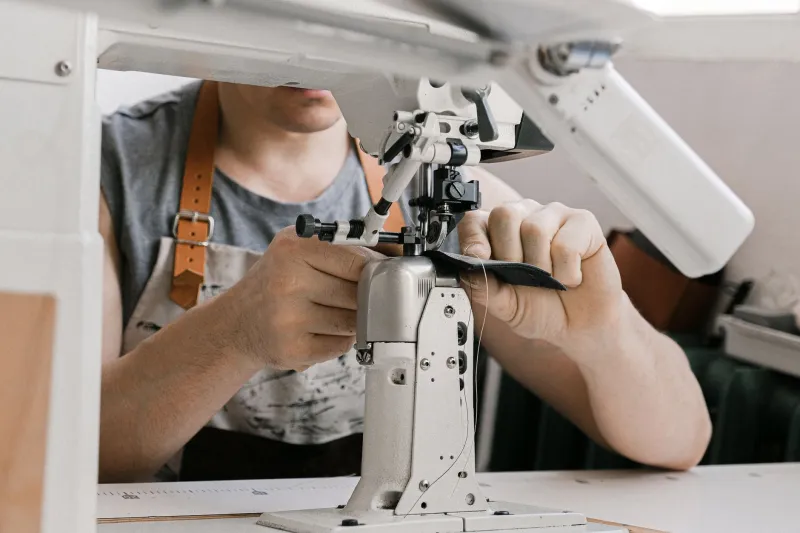
A few years ago, you could walk into most western wear shops and find a decent leather jacket without much of a wait and without emptying your wallet. That era is quietly fading. Ask anyone who works with leather for a living — tanners, small-batch craftsmen, saddle makers who've branched into outerwear — and they'll tell you the same thing: demand shifted fast, and the supply chain is still catching its breath.
The catalyst isn't hard to identify. Yellowstone's runaway success didn't just sell hats and boots. It rewired what a lot of Americans think leather should look, feel, and cost. The Dutton family doesn't wear thin, processed, factory-finished jackets. Their outerwear looks like it was broken in over decades, built from hides that could survive a Montana winter without flinching. Viewers noticed. Then they started shopping.
Why the Show's Aesthetic Hit Different
There's a visual language to how Yellowstone dresses its characters, and leather is central to it. The jackets aren't shiny. They're not uniform in color. They have weight to them — the kind of presence that comes from full-grain hides tanned slowly using methods that haven't changed much in a century. That look communicates something specific: durability, authenticity, a connection to land and labor that fast fashion can't fake.
For a lot of viewers, especially those who grew up without much exposure to genuine western wear, this was an introduction to what leather could be. Not the bonded stuff on a department store rack. Not the corrected-grain jacket with a polyurethane coating that starts peeling in eighteen months. Real leather, with real character.
That realization sent a wave of new buyers toward craftsmen and small tanneries that were already operating near capacity.
The Supply Chain Squeeze Nobody Talked About
Here's something the fashion press largely ignored: quality leather takes time. Full-grain vegetable-tanned hides — the kind that produce the rich, darkening patina associated with heritage western wear — can take anywhere from a few weeks to several months to process properly, depending on the tannery and the method. You can't speed that up without sacrificing the result.
Small American tanneries, many of which had been serving a steady but modest customer base of saddlers, bootmakers, and boutique jacket manufacturers, suddenly found themselves overwhelmed. Several craftsmen in the leather trade have described the post-Yellowstone boom as a genuine disruption — not always in a good way. Wait times for premium hides stretched from weeks to months. Prices for quality raw material climbed as demand outpaced what smaller operations could produce.
Meanwhile, the larger finished-goods market responded the way it always does: by flooding retail with cheaper product dressed up in western-adjacent marketing language. "Rugged." "Ranch-ready." "Inspired by the American West." Most of it is neither.
What Genuine Heritage Leather Actually Looks Like
If you're shopping for a leather jacket that captures that Dutton-ranch aesthetic — and you want it to last long enough to become a piece you actually hand down — there are a few markers worth knowing.
Full-grain leather is the top tier. It uses the outermost layer of the hide, with the natural grain intact. It's stronger than other cuts, breathes better, and develops a patina over time rather than cracking and peeling. If a jacket listing doesn't specify full-grain, assume it isn't.
Vegetable tanning is the slower, older method that uses natural tannins from bark and plant material. It produces firmer, denser leather that molds to your body over time. Chrome tanning is faster and cheaper and produces a softer, more uniform result — fine for some applications, but not what you're looking for if you want that weathered, lived-in look the show made iconic.
Thickness matters more than most buyers realize. Jackets built for genuine durability — the kind that would actually hold up on a working ranch — are typically cut from hides in the 1.2mm to 1.5mm range or heavier. A lot of what's flooding the market right now is thinner, lighter, and finished to look more substantial than it is.
Stitching and hardware tell you a lot fast. Uneven stitching, lightweight zippers, and hardware that feels hollow are signs of cost-cutting that usually extend throughout the entire garment. Quality outerwear uses heavy-duty thread, solid brass or steel hardware, and seams that lay flat and straight.
The Price Jump Is Real — and Mostly Justified
Premium leather jackets have gotten noticeably more expensive over the past few years, and the Yellowstone-driven demand spike is part of the story — but not all of it. Raw hide prices were already climbing before the show became a cultural phenomenon, driven by reduced cattle processing volumes and increased global competition for quality hides. The demand surge accelerated a price trend that was already in motion.
For buyers used to spending $150 to $250 on a leather jacket, the sticker shock on genuine heritage pieces — which now commonly run from $500 to well over $1,000 from reputable makers — can feel steep. But the math works differently when you factor in longevity. A well-made full-grain jacket, properly cared for, doesn't have a three-year lifespan. It has a thirty-year one. In that context, the price per year of wear starts looking very reasonable.
The jackets flooding the market at lower price points aren't competing on the same terms. They're competing on sticker price alone, and they tend to win that comparison for about eighteen months before the problems start showing.
How to Spot the Imitations
The western fashion boom created a huge market for jackets that look like the real thing without being the real thing. A few quick checks can save you a lot of money and frustration.
Smell the leather. Genuine full-grain, vegetable-tanned leather has a distinctive earthy, slightly nutty smell. Bonded leather and heavily processed hides smell more chemical or plasticky. It sounds simple, but it works.
Check the edges. Raw edges on quality leather are either burnished smooth or folded and stitched. On cheaper jackets, edges are often just painted or coated — and that coating starts chipping quickly.
Look at the back of the hide if you can access it. Full-grain leather has a consistent fibrous texture on the flesh side. Bonded leather — which is essentially leather scraps compressed and glued together — often shows an irregular, almost papery texture.
Ask where it was made and by whom. Reputable makers are proud to talk about their sourcing and production. Vague answers or no answers at all are a signal.
The Craftsmen Are Still Here — Just Busier
The silver lining in all of this is that the demand surge has given genuine leather artisans more visibility than they've had in decades. Small American workshops that were quietly doing excellent work for a niche clientele are now getting attention from a much broader audience. Some have expanded. Some have kept their operations small and their wait lists long. Either way, the craft is getting the recognition it deserves.
If you're serious about building a wardrobe that actually reflects what Yellowstone is communicating — durability, authenticity, a connection to something older and more grounded than trend cycles — the leather jacket is the right place to start. Just be willing to wait for it, pay what it's worth, and treat it like the investment it is.
The Duttons didn't get their look by shopping fast. Neither will you.