Cowboys in the Concrete Jungle: How Western Wear Conquered America's Biggest Cities
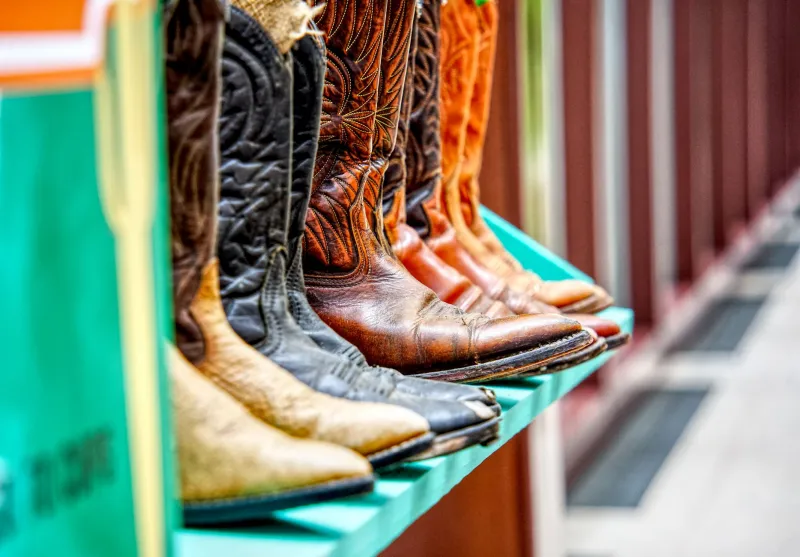
Not long ago, wearing cowboy boots in midtown Manhattan was a statement — and not always a welcome one. You'd get looks. Maybe a few raised eyebrows. The unspoken dress code of urban fashion capitals had little patience for anything that smelled of the ranch. Fast forward to today, and those same streets are full of people rocking wide-brim hats, shearling-lined coats, and hand-tooled leather boots without a second thought. What changed? A lot of things. But if you're looking for a single cultural force that cracked open the door, Yellowstone is a pretty good place to start.
A Show That Did More Than Entertain
Yellowstone didn't just pull in massive ratings — it fundamentally repositioned western identity in the American imagination. The Dutton family made ranch life look aspirational. Not rustic. Not retro. Aspirational. When Beth Dutton storms into a room wearing a perfectly fitted western blazer and Rip Wheeler rides out in a beat-up canvas ranch coat, it reads as power, not costume. That distinction matters enormously when it comes to fashion adoption.
City audiences who might have previously dismissed western wear as regional or kitschy started seeing it differently. The show created a visual language that tied rugged outerwear to strength, authenticity, and a certain defiant confidence — qualities that resonate deeply with urban consumers who are increasingly tired of fast fashion's disposable aesthetic.
New York Is Wearing Its Spurs Now
The evidence in New York is hard to ignore. Department stores that once reserved western-adjacent pieces for a single shelf in the accessories section have expanded their floor space considerably. Boutiques in SoHo and the West Village are stocking embroidered denim jackets, fringe leather coats, and suede western shirts alongside their usual European designer fare.
Street style photographers at New York Fashion Week have noted a consistent uptick in western-influenced looks over the past few seasons — not as ironic statement pieces, but as genuine wardrobe staples. The cowboy boot, in particular, has become one of the most versatile items in the New York fashion toolkit. Pair them with wide-leg trousers and a structured blazer, and suddenly you've got something that works equally well at a gallery opening or a downtown dinner.
What's interesting is how the city has absorbed western wear rather than simply borrowed it. New Yorkers have a talent for taking something regional and making it their own — layering pieces in unexpected ways, mixing textures, and combining western silhouettes with contemporary minimalism. The result is something genuinely new.
LA's Long Flirtation Finally Gets Serious
Los Angeles has always had a complicated relationship with western wear. The cowboy aesthetic has floated in and out of Angeleno style for decades, tied to everything from classic Hollywood Westerns to country music crossover moments. But it's always felt a little on-again, off-again.
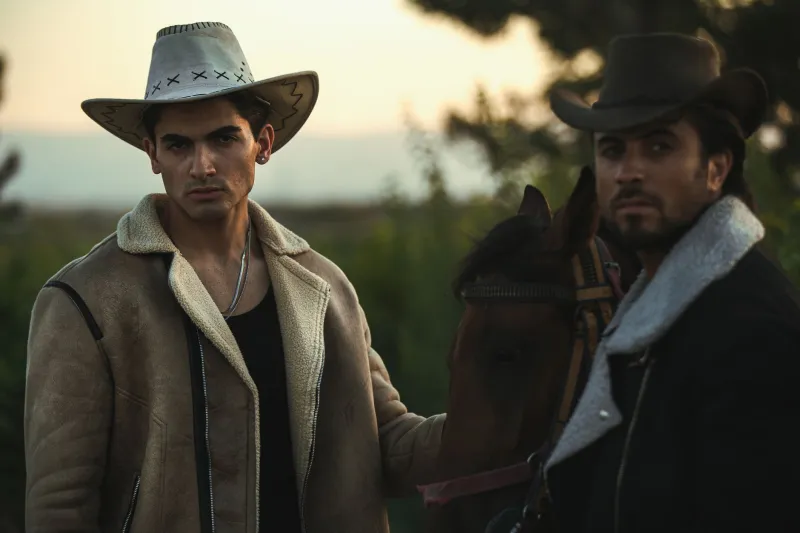
Right now, it's very much on. The neighborhoods of Silver Lake and Los Feliz — long known for their indie-cool sensibility — have become hotbeds of western-influenced street style. Ranch coats in earthy tones are showing up alongside vintage band tees and straight-leg jeans. Stetson-style hats are being worn unironically by people who have never been within a hundred miles of an actual cattle ranch.
High-end consignment shops in West Hollywood are reporting increased demand for quality western pieces — particularly outerwear. Shearling jackets, bison leather vests, and heavyweight canvas coats that used to sit on the rack for weeks are moving fast. The Yellowstone effect has made western outerwear feel like a collectible, something worth hunting for and investing in.
Chicago Brings Its Own Energy
Chicago's take on western wear is distinctly its own. The city's fashion culture has always leaned toward the practical — people here actually deal with winter, and they dress accordingly. That's made the functional side of western outerwear particularly appealing. A well-constructed ranch coat with a sherpa lining isn't just stylish in Chicago; it's genuinely useful.
The Wicker Park and Pilsen neighborhoods have seen a notable blending of western and workwear aesthetics. Heavy-duty western jackets worn over hoodies, cowboy boots paired with straight-cut Carhartt pants, wide-brim felt hats that function as much against the lake wind as they do as a style statement. It's western wear filtered through Midwest practicality, and it looks great.
The Retail World Is Paying Attention
None of this has been lost on the fashion industry. Major retailers have quietly — and in some cases not so quietly — expanded their western offerings. Brands that built their reputations on prep or streetwear have introduced western-influenced capsule collections. Heritage western brands that might have felt sleepy five years ago are suddenly having major cultural moments.
The luxury market has taken notice too. High-end designers have incorporated western elements into recent collections — not as pastiche, but as genuine design influence. Hand-stitched details, fringe accents, and the kind of durable construction that western wear has always prioritized are showing up on runways in ways that feel fresh rather than derivative.
For the consumer, this has created an interesting moment. There's never been more access to quality western-inspired pieces across a wide range of price points. Whether you're shopping a boutique in Brooklyn or browsing online, the options are genuinely good right now.
Why This Moment Feels Different
Western wear has had its mainstream moments before. The Urban Cowboy era of the early '80s brought boots and hats into discos and dive bars across the country. Various country music crossover moments have nudged western aesthetics into the mainstream periodically. But those waves tended to recede fairly quickly.
This one feels stickier — and there are a few reasons why. First, Yellowstone isn't going anywhere. The franchise has expanded, the cultural conversation around it continues, and new audiences keep discovering it. Second, the broader fashion culture has been moving toward authenticity and durability for years now. Consumers are buying fewer, better things, and western wear — with its emphasis on quality materials and lasting construction — fits that mindset perfectly. Third, social media has given western style a platform that previous generations never had. What used to be regional is now national, and trends that once took years to travel from rural to urban are moving in real time.
Wear the West, Wherever You Are
The beauty of this moment is that western wear doesn't require a zip code. You don't need to live near a ranch or own a horse to pull off a great ranch coat or a pair of well-worn boots. The style has always been about an attitude — self-reliant, unpretentious, built to last — and that translates just fine on a subway platform or a city sidewalk.
If you've been watching from the sidelines, wondering whether western wear is really for you, consider this your sign. The cities have already decided. The West has arrived, and it's not leaving anytime soon.