From TikTok to the Tack Room: How Gen Z Is Rewriting the Rules of Western Style
For the better part of a decade, the cultural conversation around Gen Z fashion has centered on sneaker drops, streetwear collabs, and whatever aesthetic was trending on Instagram that particular Tuesday. But scroll through TikTok right now and you'll notice something different creeping into the algorithm — and it smells like leather and cedar.
Western wear is having a moment, and this time it's not being driven by country radio or a Nashville red carpet. It's being driven by 22-year-olds in apartment bedrooms who grew up watching the Dutton family navigate ranch life in Montana. The Yellowstone effect is real, it's measurable, and it's reshaping how an entire generation thinks about getting dressed.
The Numbers Don't Lie
Retail data from the past two years tells a pretty clear story. Sales of western-style hats, leather outerwear, and heritage boots have climbed steadily among shoppers under 30 — a demographic that wasn't traditionally on the radar for brands rooted in ranch culture. Search trends for terms like "cowboy aesthetic," "western jacket," and "Stetson hat" have spiked multiple times in direct correlation with major Yellowstone season premieres and pop culture moments tied to the show.
Brittany Hale, a buyer for an independent boutique in Nashville that recently expanded its western wear section, says the shift has been impossible to ignore. "Two years ago, our western pieces were mostly selling to customers in their 40s and 50s who had always worn that style," she explains. "Now we've got college kids coming in specifically asking for the kind of jacket they saw on a character from Yellowstone. It's a completely different conversation."
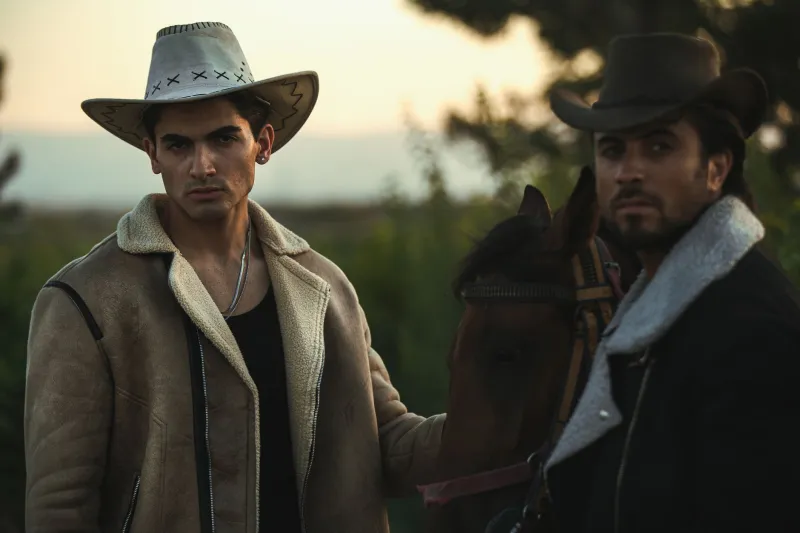
That conversation is happening loudest on TikTok, where the hashtag #WesternAesthetic has racked up billions of views. Content creators are building entire followings around outfit-of-the-day posts that center on wide-brim hats, shearling-lined coats, and worn leather — the kind of stuff that used to live exclusively in feed stores and western specialty shops.
Why Yellowstone Cracked the Code
It's worth asking why this show, and why now. Western-themed entertainment has come and gone for decades without triggering a genuine fashion movement among younger audiences. So what's different about Yellowstone?
Part of the answer is visual. The show's costume design is intentional and aspirational without being cartoonish. Characters like Beth Dutton and Rip Wheeler don't look like they're wearing Halloween costumes — they look like people who have actually lived in their clothes. The leather jackets have creases in the right places. The hats have personality. There's a tactile authenticity to the wardrobe that translates beautifully on screen and makes viewers want to reach through the TV and grab something off the rack.
But there's also something deeper going on culturally. Gen Z has grown up in an era of hyper-fast fashion cycles, disposable trends, and the hollow exhaustion of keeping up with whatever dropped this week. A lot of younger shoppers are actively pushing back against that. They're drawn to things that feel permanent — clothes with history, materials that age well, and a style identity that doesn't expire in six months.
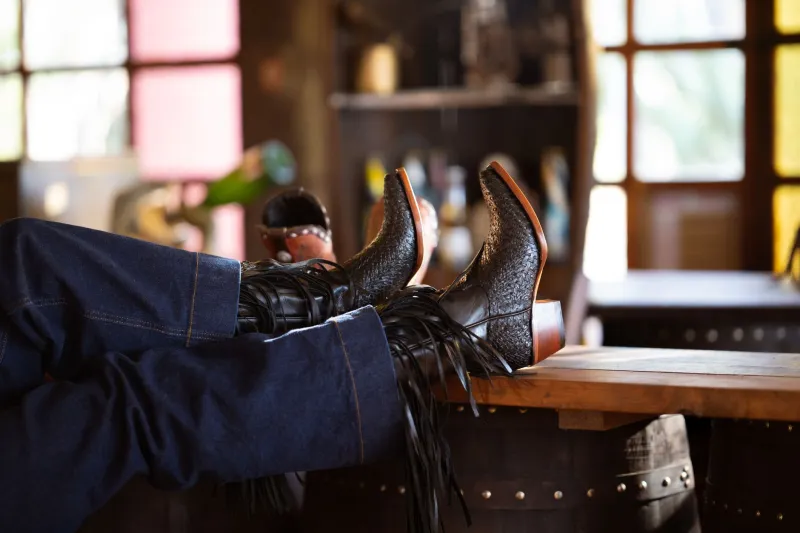
Western wear, at its best, is the opposite of fast fashion. A well-made leather jacket gets better with wear. A quality Stetson can last decades. Heritage boots become more personal the longer you own them. For a generation that's increasingly skeptical of throwaway culture, that kind of longevity is genuinely appealing.
The Influencer Pipeline
Social media creators have been quick to recognize — and amplify — this appetite. Accounts dedicated to western lifestyle and "cowboy aesthetic" content have grown dramatically, and many of their most engaged followers are young people who have never set foot on a working ranch.
Jordan Mercer, a content creator based in Austin who built a following of over 400,000 by styling western outerwear in urban settings, says the crossover appeal is the whole point. "I grew up in the suburbs. I'm not pretending to be a rancher," he says. "But there's something about this aesthetic that just feels more real than what I was wearing before. People respond to it because it feels like an actual identity, not just a trend."
That authenticity question is one that western brands and retailers are navigating carefully. There's a real tension between welcoming new fans into the western style world and protecting the integrity of a fashion tradition that has deep roots in actual working culture. The brands that seem to be threading that needle most successfully are the ones leaning into education — helping new customers understand the history behind the pieces they're buying, and why quality matters.
Heritage Over Hype
One of the more interesting side effects of this movement is a renewed interest in heritage brands that have been making western wear the same way for generations. While fast fashion labels have rushed to produce budget versions of the trend, younger shoppers with genuine enthusiasm for the aesthetic are increasingly doing their research and seeking out the real thing.
This tracks with broader Gen Z shopping behavior. Studies consistently show that this demographic, despite having less spending power than older generations, is more likely to save up for a quality purchase than to buy a cheaper version multiple times. When the goal is building a wardrobe that lasts — and that photographs well on social media for years, not weeks — the investment in quality starts to make obvious sense.
For western outerwear specifically, that means paying attention to construction, leather quality, and the kind of craftsmanship that you simply can't fake at a low price point. A leather jacket that costs three times as much as a fast fashion alternative will often outlast it by a decade or more, developing a patina and character that makes it look better over time rather than worse.
The West as a State of Mind
Maybe the most telling thing about this trend is what it reveals about what younger Americans are actually looking for right now. The Yellowstone universe offers something that a lot of contemporary culture doesn't: a sense of rootedness, of values that don't shift with the news cycle, of people who know who they are and dress accordingly.
Whether you're watching the show from a ranch in Wyoming or a studio apartment in Chicago, there's something compelling about that clarity. And if a well-worn leather jacket or a perfectly broken-in hat can carry a little of that energy into your everyday life, it starts to make a lot of sense why a generation raised on algorithm-driven trend cycles might be reaching for something that feels a whole lot more permanent.
The West isn't just a place. For a new generation of fans, it's turning into a philosophy — and they're wearing it on their backs.