Ranch Style Gone Upscale: Is the Yellowstone Boom Locking Real Cowboys Out of Their Own Wardrobe?
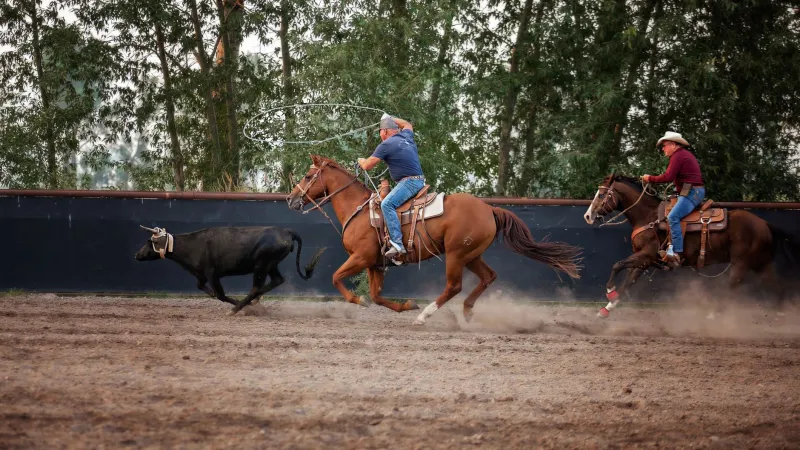
There's a certain irony baked into the Yellowstone phenomenon. A show built around the grit, sacrifice, and stubborn pride of working ranch life has somehow transformed the clothes on those characters' backs into aspirational luxury goods. The beat-up Carhartt jacket that a real wrangler in Montana might wear until it literally falls apart is now competing for shelf space — and consumer attention — with $800 shearling coats and triple-digit bandanas stitched with heritage brand logos.
Something shifted in the western wear market around the time Yellowstone hit its cultural peak. And depending on who you ask, that shift is either a long-overdue validation of American craftsmanship or a slow-motion pricing-out of the very people who built this aesthetic in the first place.
The Numbers Don't Lie
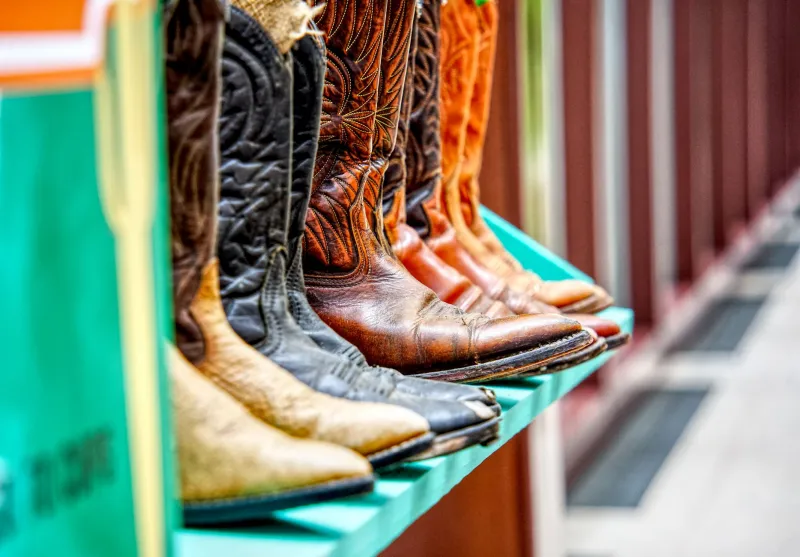
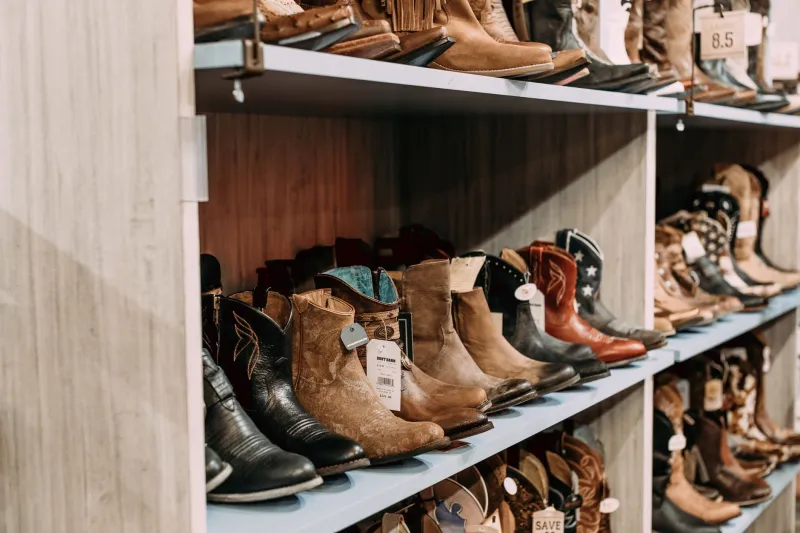
Look at the pricing landscape across major western wear retailers over the past five years and the trend is hard to ignore. Entry-level boots from heritage brands that once sat comfortably in the $150–$200 range have crept steadily toward $300 and beyond. Premium shearling and leather outerwear — the kind of pieces that define the Dutton family's on-screen wardrobe — now routinely command $500 to over $1,000 at specialty retailers.
Some of that reflects genuine inflation. Leather costs more. Skilled craftspeople cost more. Supply chain disruptions hit the materials market hard. But industry watchers say there's another force at play: demand-driven premium pricing fueled by a massive influx of new, style-motivated buyers who didn't grow up wearing this stuff and have no historical reference point for what it "should" cost.
When a product becomes a cultural symbol — when wearing it signals something beyond just keeping warm — brands have every incentive to lean into that positioning. And lean in they have.
Who's Actually Buying Western Wear Now?
The customer profile for western wear has changed dramatically. Retailers who've been in the business for decades describe a noticeable shift in their foot traffic and online demographics. Alongside the working ranchers, rodeo competitors, and lifelong western wear loyalists, there's now a growing segment of buyers who discovered this aesthetic through a TV screen and want to bring a piece of that world into their own lives.
That's not a knock on anyone. Culture has always spread through storytelling. But the economic reality is that these two buyer groups have very different price tolerances. A working cowboy replacing a worn-out pair of boots is making a practical investment with real budget constraints. A Yellowstone superfan looking to channel their inner Beth Dutton for a weekend trip to a dude ranch may be far more willing to splurge.
Brands are smart enough to know which customer is more profitable — and they're pricing accordingly.
The Heritage Brand Dilemma
For the storied names in western wear, this moment is genuinely complicated. On one hand, the cultural spotlight has brought unprecedented visibility and revenue. On the other, there's a real risk of alienating the core customer base that kept these brands alive through decades when cowboy chic wasn't remotely trendy.
Some brands have tried to thread the needle by maintaining accessible workwear lines while building out premium lifestyle collections aimed squarely at the Yellowstone-inspired buyer. Others have leaned fully into the luxury positioning, letting their price points drift upward and trusting that aspirational demand will more than compensate for any lost blue-collar loyalty.
The tension is real, and it plays out in online forums, ranch supply store conversations, and comment sections across western lifestyle social media. Working cowboys and rodeo families who've worn these brands for generations express frustration — not just at the prices, but at the sense that their culture is being repackaged and sold back to them at a markup they can't afford.
What Budget-Conscious Western Fans Are Doing
Here's the thing about people who actually live and work in western culture: they're resourceful. The same problem-solving instinct that keeps a ranch running through a brutal Montana winter is being applied to wardrobe challenges.
Thrift stores and resale platforms have seen a notable uptick in western wear searches. Vintage Wranglers, pre-owned Tony Lama boots, and secondhand Carhartt pieces are getting snapped up faster than ever. Some buyers are bypassing the premium lifestyle brands entirely and going straight to workwear suppliers — places that have always sold durable, functional western gear without the aspirational markup.
Others are getting more intentional about what they buy and when. Rather than chasing every trend that rolls out of a Yellowstone costume department, they're building a smaller, tighter wardrobe around genuinely versatile pieces that earn their price tag through longevity and utility.
There's also a growing appreciation for smaller, regional brands that haven't yet been swept up in the luxury positioning wave — family-owned bootmakers, local leather shops, and independent outfitters who price their work based on craft rather than cultural cachet.
The Authenticity Question
Underneath all of this is a question that goes beyond price tags: what does it mean for a culture's aesthetic to be claimed by people who experience it primarily through a television screen?
Western wear has always had a complicated relationship with authenticity. The rhinestone cowboy was a thing long before Yellowstone. Hollywood has been romanticizing ranch life since the silent film era. The line between genuine western culture and western-inspired fashion has never been perfectly clean.
But there's a difference between cultural appreciation and cultural displacement — and when the economics of a market shift so dramatically that the original participants can no longer afford full access to their own aesthetic tradition, that's worth paying attention to.
The working rancher who can't justify $700 boots isn't wrong to feel some kind of way about it. And the Yellowstone fan who fell in love with western style through Kevin Costner's wardrobe isn't wrong to want to participate in it, either.
Finding Your Place in the New Western Landscape
At Yellowstone Jacket, we're fans of this aesthetic in all its forms — the working ranch version and the screen-inspired version and every hybrid in between. The Yellowstone boom has genuinely been good for western fashion's visibility, and a lot of what it's pushed into the spotlight deserves the attention.
But we also think it's worth being honest about the market forces at play. Premium pricing isn't inherently evil, and quality craftsmanship deserves fair compensation. At the same time, a fashion movement that prices out the culture it's drawing from has a sustainability problem that no amount of aspirational marketing can fully paper over.
The smartest move for any western wear buyer right now — whether you're a lifelong ranch hand or a first-time convert — is to shop with your eyes open. Know what you're paying for. Understand the difference between a price tag that reflects genuine craft and one that reflects a brand capitalizing on a cultural moment. Invest in pieces that will outlast the trend cycle.
The West was never about flash. It was about durability, function, and a certain no-nonsense relationship with the real world. Whatever the market does, those values are worth holding onto.