From the Screen to the Saddle: How Yellowstone Is Changing the Way Real Americans Ranch and Dress
Something shifted in American culture when Yellowstone hit Paramount Network back in 2018. It wasn't just another prestige drama. It was a slow-burning cultural wildfire — and nowhere is that more visible than in the way people across the country are dressing, traveling, and, in some cases, rethinking their entire lifestyle.
Walk into a western wear retailer in Bozeman, Montana, or Amarillo, Texas, and you'll hear the same thing from the folks behind the counter: customers are coming in with screenshots on their phones. Not of runway looks. Not of influencer posts. Frames grabbed straight from the show.
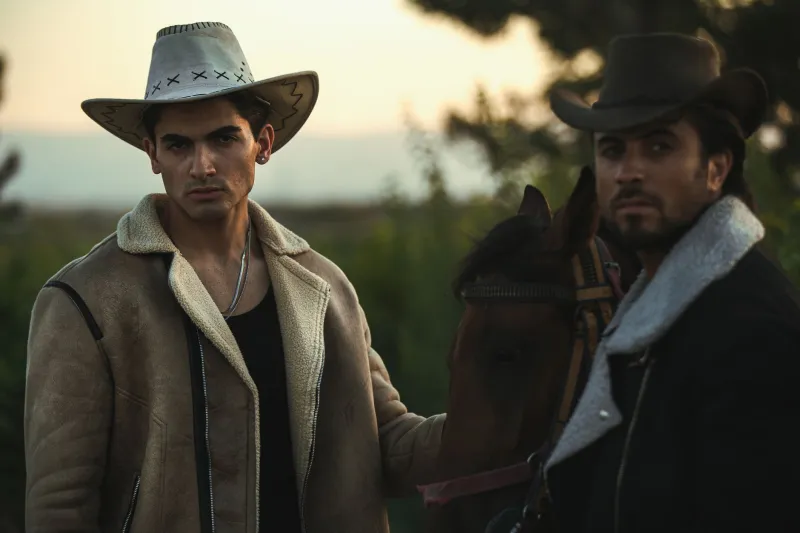
"Someone will pull up a scene where Beth is walking across the ranch in a shearling coat and just say, 'I want that,'" says one store manager at a western outfitter in central Montana who asked to remain anonymous. "Or they'll describe Rip's canvas work jacket and want to know if we carry something just like it. It happens every single week."
This is the Yellowstone effect in action — and it runs a lot deeper than fandom.
Beyond the Wardrobe: A Lifestyle Shift in Motion
What separates the Yellowstone phenomenon from, say, a trend piece in a fashion magazine is that people aren't just buying the look. They're buying into the life that goes with it. Searches for dude ranch vacations have surged year over year since the show's third season. Western-themed resorts across Wyoming, Montana, Colorado, and Idaho are reporting longer wait lists and a noticeably different type of guest.
"Our guests used to come out here to disconnect and play cowboy for a week," says the owner of a working guest ranch outside Cody, Wyoming. "Now they show up already knowing how to talk about tack, already invested in the culture. A lot of them specifically mention Yellowstone when they book. They want the real thing — real horses, real work, real gear."
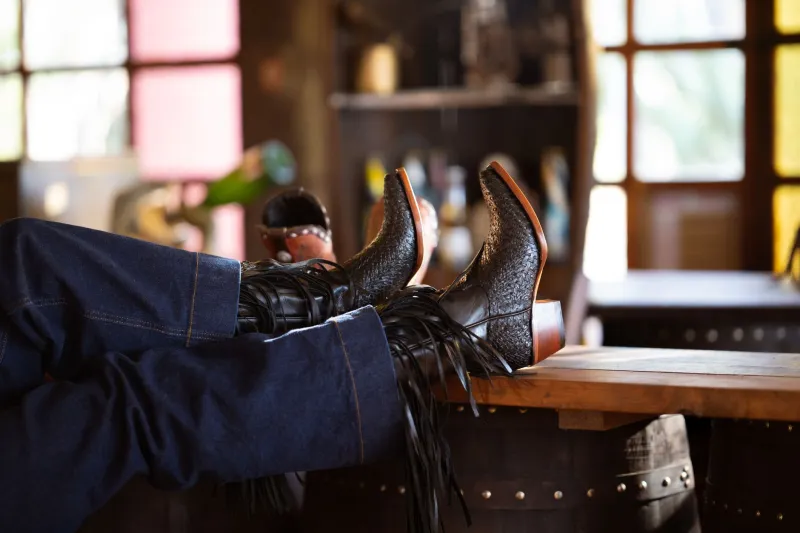
That last part is key. Real gear. The demand isn't for costume-quality western wear that falls apart after a weekend. It's for the kind of outerwear and apparel that can actually survive a morning moving cattle or an afternoon riding fence lines in October wind. High-performance western wear — think waxed canvas barn coats, heavyweight flannel shirts, proper leather-soled boots — has seen a significant uptick in sales at retailers who previously catered almost exclusively to working ranchers.
'Dutton Cosplay' Gets Serious
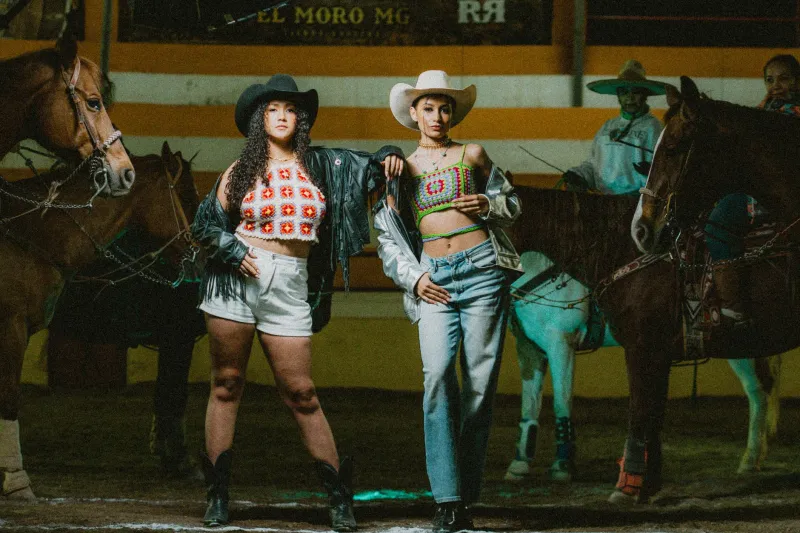
Let's be honest about something: there's a version of this trend that's pure fantasy dressing. Folks who've never been within a hundred miles of a working ranch picking up a Rip Wheeler-style canvas jacket to wear around the suburbs. And you know what? There's nothing wrong with that. Western style has always had a theatrical side — it's part of what makes it so compelling.
But what's genuinely interesting about the Yellowstone moment is how many people are using the show as a gateway into something real. Ranchers and western wear experts are reporting a wave of customers who started with the aesthetic and ended up going deep.
"I've had people come in for a 'Yellowstone jacket' and leave with a full kit — proper insulated work vest, waterproof wax canvas duster, the right boots for actual riding," says a buyer at a western outfitter in Fort Worth. "They came in for the look and walked out with gear they're genuinely going to use. That's a win for everybody."
This is what you might call the pipeline effect. The show creates curiosity. The curiosity leads to a guest ranch trip or a weekend riding lesson. The experience creates a real need for real gear. And suddenly someone who thought they were just a fan is halfway to a lifestyle change.
What Working Ranchers Actually Think
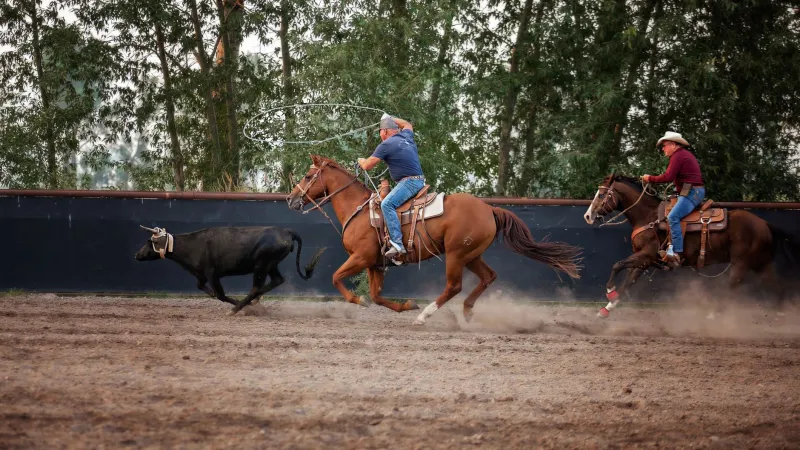
Here's where it gets nuanced. Not everyone in the actual ranching community is thrilled about Hollywood's version of their world going mainstream. Some working ranchers bristle at the romanticism — the show's gleaming leather and perfectly worn-in denim don't always match the mud-caked, financially stressful reality of running cattle in the American West.
But plenty of others see the upside. "If it gets people interested in the land, in the culture, in actually coming out here and spending money at real ranches and real western stores — I'm not going to complain," says a third-generation cattle rancher in the Gallatin Valley. "The West needs advocates. If Yellowstone is making people care, that's good for us."
Several ranching communities have also benefited directly from the production itself — local outfitters supplying gear to the costume department, horse trainers and ranch hands working as consultants and extras. The show has an economic footprint that extends well beyond the screen.
What This Means for How You Shop
If you're coming to western wear through Yellowstone — whether you're a die-hard fan or just someone who finally got around to watching it last winter — the best thing you can do is resist the urge to go cheap. The pieces that actually look like they came off the Dutton Ranch are the ones built to last: heavyweight canvas, genuine leather, quality hardware, real wool linings.
The costume department on Yellowstone knows what it's doing. The show's wardrobe is a masterclass in functional western style — clothes that look good because they're built for purpose, not the other way around. That's the ethos worth borrowing.
A waxed canvas barn coat that costs more upfront will look better and perform better five years from now than a fast-fashion knockoff will after five washes. Broken-in leather boots earn their character over time. A quality shearling collar vest layers under a duster on cold mornings and stands alone when the afternoon warms up. These aren't fashion pieces. They're tools — and the best ones happen to look incredible.
The West Is Having a Moment — and It's Earned
American western culture has always had staying power, but it tends to move in waves. Right now, we're riding a big one. Yellowstone has reminded a generation of Americans — many of them far removed from ranch life geographically — that there's something deeply appealing about a lifestyle built around land, hard work, loyalty, and the kind of clothes that reflect all three.
Whether you're booking a week at a Wyoming guest ranch, picking up your first pair of proper riding boots, or just finally investing in a coat that can handle a real winter, the Yellowstone effect has done something genuinely valuable: it's made the West feel relevant again.
And if a TV show can get people into quality western gear that they'll actually wear and use for years? That's not a trend. That's a shift.
Wear the West. Live the Legend.