The Real Cost of Cheap: Why Your Next Western Jacket Should Be the Last One You Ever Buy
Let's talk about money for a second — specifically, the money most of us quietly waste on western wear we didn't fully think through. You spot a leather jacket at a chain retailer for $189. It looks pretty good. You buy it, wear it through one winter, and by spring the stitching is pulling at the collar and the finish is cracking around the cuffs. Two years later, you're back at the same store buying the same jacket. Maybe a different brand. Same result.
Now do the math over a decade. That "affordable" jacket just cost you a lot more than the $1,200 full-grain leather coat you talked yourself out of three times.
Premium western outerwear — the kind built from serious materials with serious construction — has a financial logic that most people miss because the upfront number looks scary. But once you start thinking about these pieces the way ranchers and collectors actually think about them, the calculus changes completely.
Cost-Per-Wear: The Number That Actually Matters
Retail price divided by number of wears. That's it. That's the metric that cuts through all the noise about what's "affordable."
A $400 canvas barn jacket that you wear 30 times and then retire because the lining gave out costs you roughly $13 per wear. A $1,400 waxed canvas and leather coat that you wear 200 times over eight years — and then re-wax and wear for another four — costs you somewhere around $5 per wear, and dropping.
The key variable is longevity, and longevity is almost entirely determined by materials and construction. Full-grain leather, heavy-gauge waxed canvas, reinforced stitching at stress points, quality hardware — these aren't luxury features. They're durability features. They're what determines whether your jacket is a two-season purchase or a twenty-year companion.
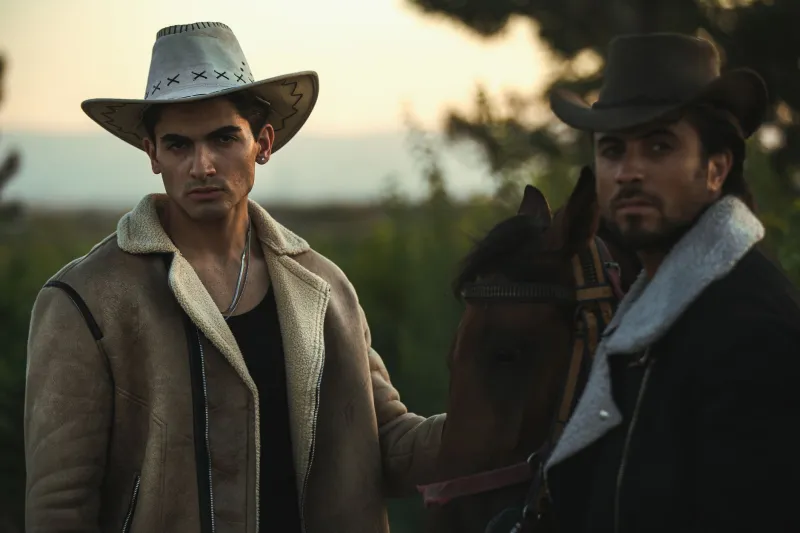
The Yellowstone aesthetic is built around pieces that look like they've been somewhere. That lived-in, broken-in quality isn't manufactured — it develops over years of real use, and it only develops properly on quality materials. Cheap leather doesn't patina; it peels. Cheap canvas doesn't weather beautifully; it just gets ugly.
The Repair Economy: Quality Gear Has a Second Life
Here's something the fast-fashion industry doesn't want you thinking about: high-quality western outerwear can be repaired, reconditioned, and altered. Cheap gear cannot.
A cracked lining in a premium leather jacket can be replaced by a skilled cobbler or leather worker for $80–$150, extending the life of the garment by another decade. A broken zipper on a quality coat can be swapped for a new one in an afternoon. Worn stitching can be reinforced. A shearling collar that's gotten matted can be professionally cleaned and restored.
None of that is possible on a $200 bonded leather jacket. When it goes, it goes. There's no repair economy for disposable gear.
This is a big part of why premium western outerwear holds — and sometimes gains — value over time. A well-maintained Schott, Filson, or comparable quality jacket from fifteen years ago often sells for close to its original retail price on the secondhand market. Sometimes more, if it's developed a desirable patina. Try reselling that mall-brand barn coat.
Resale Value: The Exit Strategy Most Buyers Never Think About
Quality western outerwear has a genuine secondary market, and it's grown significantly alongside the Yellowstone-driven surge in western style. Platforms like eBay, Poshmark, and specialized vintage western wear dealers regularly move premium leather jackets and coats at strong prices — often 60–80% of original retail for pieces in good condition, and occasionally above retail for sought-after heritage pieces.
This means that when you invest in a $1,500 rancher coat from a reputable maker, you're not necessarily committing to that full $1,500 as a sunk cost. If your taste changes, your size changes, or you simply want to fund an upgrade, you have options. The resale floor on premium western outerwear is far higher than most people realize.
Contrast that with budget gear, which has essentially zero resale value the moment it walks out of the store. You're not buying a jacket; you're renting one.
The Generational Angle: Heirloom Isn't Just a Marketing Word
There's a reason western culture has always placed value on things that last. Ranch equipment, saddles, boots — these are items that get handed down because they're built well enough to survive the handoff. Quality outerwear operates the same way.
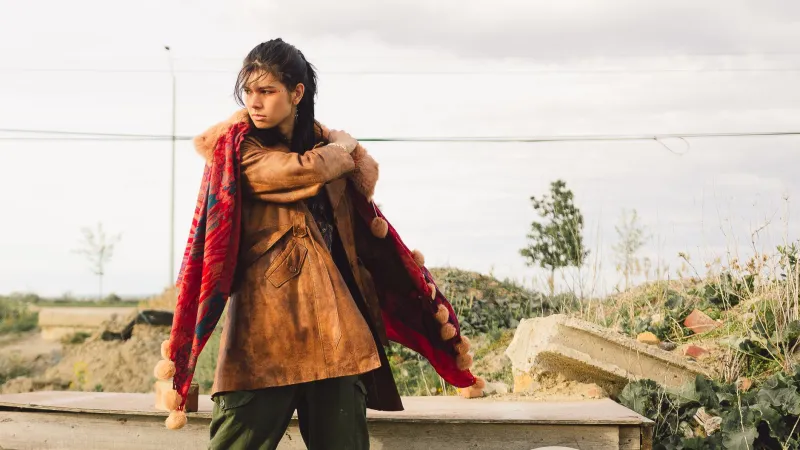
A full-grain leather rancher coat that's been properly cared for doesn't wear out — it evolves. The leather darkens and softens in a way that's uniquely shaped by the person who wore it. The hardware develops a warm patina. The cut, if it was a good one to begin with, never really goes out of style because it was never chasing a trend in the first place.
Passing that coat to your kid isn't a fantasy. It's what happens when you buy right the first time. That's a value proposition no spreadsheet fully captures.
What "Investment" Actually Means in Practice
So what should you be looking for when you're ready to buy for keeps?
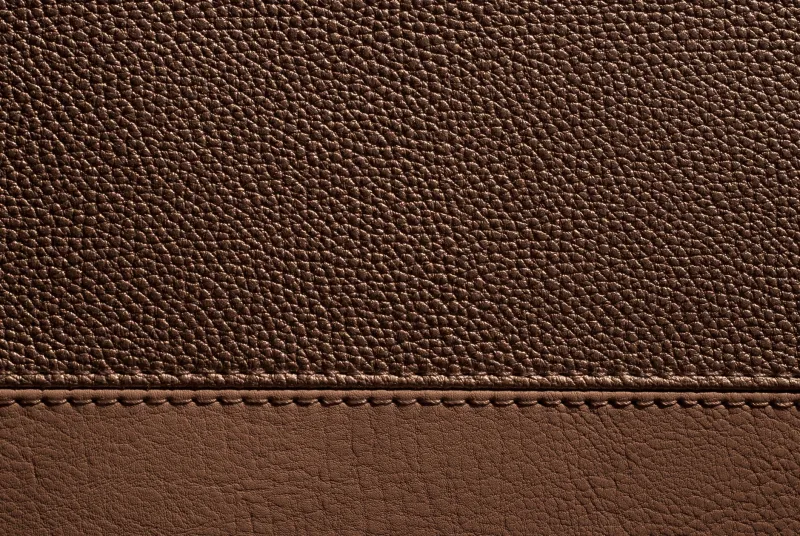
Full-grain leather over corrected or bonded. Full-grain is the outermost layer of the hide — the most durable, the most beautiful over time, and the only type that develops a real patina. Corrected-grain leather has been sanded to remove imperfections; bonded leather is basically leather dust glued to a backing. Neither ages well.
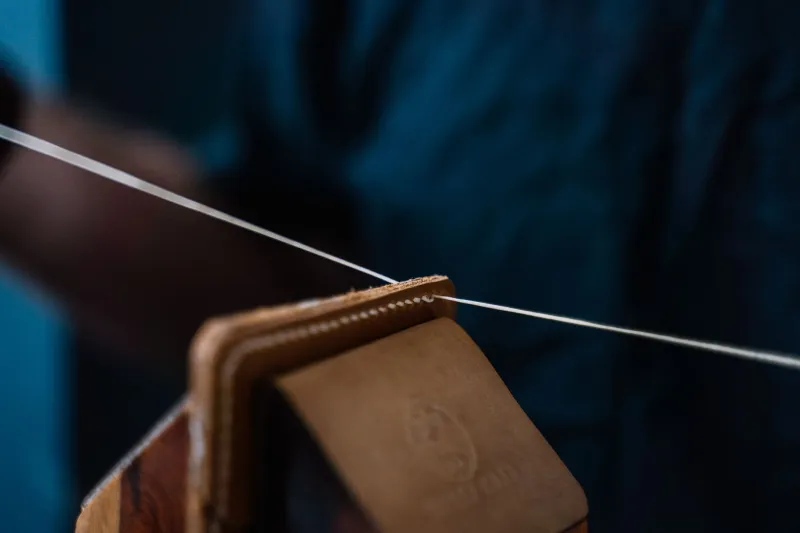
Stitching you can see and count. Quality construction shows itself. Look for tight, even stitching at seams and stress points. Double stitching at cuffs, pockets, and collar attachments is a good sign. If the stitching looks loose or irregular off the rack, it'll fail fast.
Hardware that weighs something. Zippers, snaps, and buckles on quality western outerwear feel substantial because they are. Lightweight, hollow-feeling hardware is a shortcut that fails early.
A maker with a repair policy. The best western outerwear brands stand behind their work. Some offer lifetime repairs. That's not a gimmick — it's a signal that they built the piece to be worth repairing.
Spend more once. Spend right. That's the Dutton way — and as it turns out, it's also just good economics.