Haute on the Range: How Western Outerwear Crashed the Luxury Fashion World
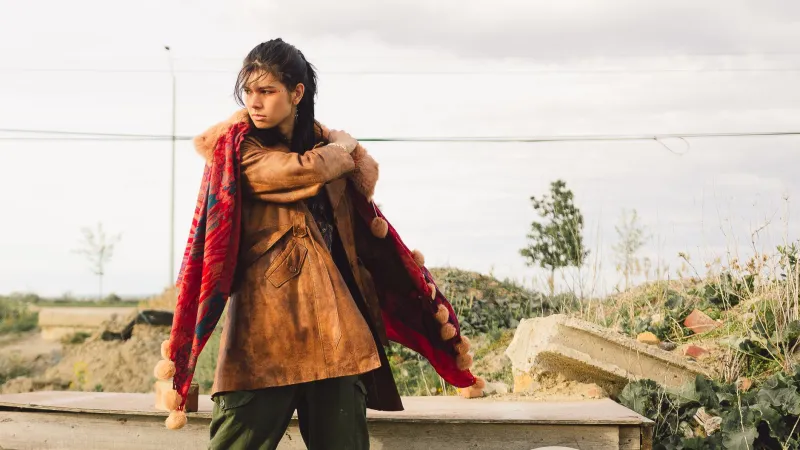
A few seasons ago, a fringe-trimmed suede coat appeared in a major fashion week collection and nobody in the front row blinked. A heritage bootmaker from Texas got a profile in a magazine that usually covers Formula 1 and Swiss watches. A rancher-cut leather jacket started appearing on the Instagram feeds of people who had never been within 500 miles of actual cattle.
Western wear didn't just have a moment. It staged a full-scale takeover of American luxury fashion — and it's showing no signs of letting go.
This isn't a trend in the usual sense. Trends arrive with a lot of noise, peak fast, and vanish. What's happening with western outerwear looks more like a structural shift — a fundamental reorientation in what American consumers consider aspirational. And to understand it, you have to understand what Yellowstone did to the national imagination.
The Show That Rewrote the Script on Western Aspiration
For decades, western style in popular culture was coded in one of two ways: working-class authenticity or kitschy nostalgia. Neither was especially aspirational in a luxury sense. Then Yellowstone arrived and did something no western property had done in a very long time — it made ranch life look like the ultimate power fantasy.
The Dutton family wasn't struggling. They were dominant. They wore their western gear not as a marker of rural simplicity but as a declaration of cultural authority. The clothes were expensive, considered, and worn with total confidence. Suddenly, western outerwear wasn't the opposite of luxury. It was a new definition of it.
The timing mattered too. Yellowstone debuted into a culture that was already growing exhausted with the ironic detachment and logo-obsession of early 2010s streetwear. Consumers — especially affluent ones — were hungry for things that felt real. Craftsmanship with history. Materials that developed character over time. Clothes that told a story rather than just broadcasting a brand.
Western wear, at its best, is all of those things.
What the Runways Actually Did
The high-fashion world didn't create this western moment — it responded to it, which is actually a more interesting story. When designers started incorporating western elements into their collections, they weren't leading the culture. They were reading it.
What emerged from that reading was a hybrid aesthetic that's still evolving. Heritage western silhouettes — the rancher coat, the duster, the structured vest, the shearling collar — got reinterpreted in luxury fabrics and with contemporary proportions. Brands that had never touched a western motif started experimenting with fringe, bolo ties, and tooled leather details. Some of those experiments were awkward. Some were genuinely stunning.
The more interesting development happened not on the runway but in the collaboration space. Heritage American workwear and western brands started pairing with luxury houses and contemporary designers — producing pieces that carried the credibility of real western craftsmanship with the design language of high fashion. These weren't costume pieces. They were genuinely wearable, genuinely well-made, and genuinely expensive.
That price point was no longer a barrier for the buyers these collaborations were targeting.
The New Western Consumer
Here's the part that surprises people who still think of western wear as a regional American phenomenon: the fastest-growing markets for premium western outerwear aren't in Texas or Montana. They're in coastal cities.
New York, Los Angeles, Chicago, and Miami have all seen significant growth in western wear retail over the past three years. High-end western boutiques are opening in neighborhoods where cowboy boots were previously a Halloween accessory. The consumer driving this growth tends to be affluent, design-literate, and deeply skeptical of fast fashion — someone who already owns quality pieces in other categories and is now applying that same value-conscious lens to western style.
What they're buying is, in a meaningful sense, the same thing that's always made western wear compelling: authenticity. The difference is that they're coming to that authenticity from a design perspective rather than a functional one. They don't need a coat that can handle a Montana winter. They want a coat that was built for a Montana winter, because that level of construction and intention is exactly what's missing from most of what they see in conventional luxury retail.
Where Heritage Craftsmanship Meets Contemporary Design
The most exciting space in western fashion right now isn't at either extreme — it's in the middle, where heritage makers are starting to speak the language of contemporary design without abandoning what makes them credible.
Long-established western outerwear makers are updating their silhouettes with cleaner lines and more versatile colorways while keeping the construction techniques and material standards that built their reputations. New brands are launching with deep respect for western tradition but with design aesthetics clearly informed by broader fashion culture. The result is a category of western outerwear that works equally well on a working ranch and at a dinner reservation that requires a few weeks' notice.
This is what genuine luxury looks like when it's functioning properly — not exclusivity for its own sake, but quality and craft that justify the price and transcend the context.
What This Means for How You Shop
If you've been waiting for the western fashion moment to peak before deciding whether to invest, the data suggests you've been reading the trend wrong. This isn't a peak — it's a baseline shift.
The entry of serious luxury investment into western outerwear has done two things for consumers. First, it's raised the quality ceiling. There are more genuinely exceptional western jackets and coats available now than at any point in recent memory, across a wider range of aesthetics and price points. Second, it's validated the investment logic that serious western wear buyers have always understood: these pieces hold value, both financially and culturally.
The ranch has always been America's most honest expression of what we value — land, labor, legacy, and the refusal to compromise on quality. Fashion finally caught up. And out here at Yellowstone Jacket, we'd say it's about time.