The Jacket That Remembers Everything: Why the Best Western Outerwear Only Gets Better With Age
Photo: Álvaro Pérez Vilariño, CC BY-SA 2.0, via Wikimedia Commons
There's a moment every serious leather jacket owner knows. It's not the day you buy it. It's maybe a year in, maybe two — when you pick it up off the hook and it just fits differently. Softer in the right places. A little darker along the shoulders. Creased where your body moves. That's when you realize this thing has started becoming yours in a way that no new jacket ever could.
In western wear, this process has a name: patina. And understanding it is the difference between buying a jacket and investing in one.
What Patina Actually Means
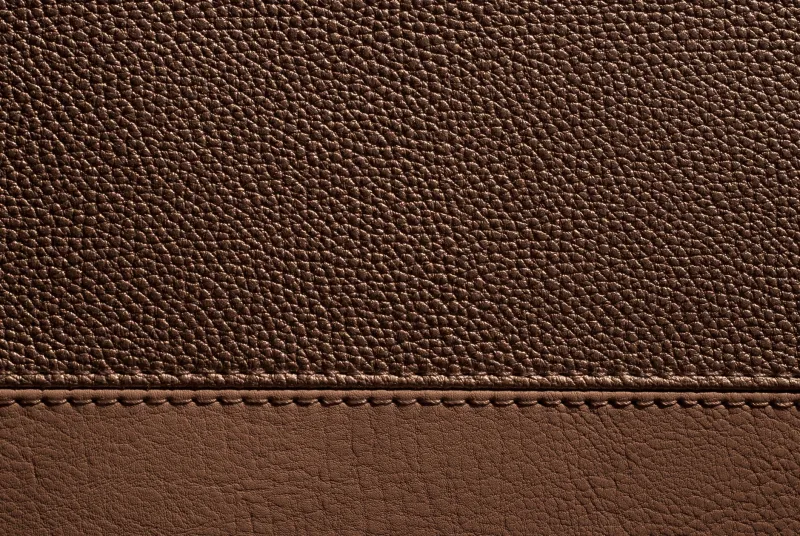
Patina is the accumulated evidence of use. It's the way full-grain leather darkens along the seams after years of conditioning. It's the subtle color variation that develops when sunlight hits the same shoulder repeatedly. It's the soft crease at the elbow that never fully disappears because that's where your arm has bent a thousand times.
In the mass-market world, manufacturers fake patina — distressing leather artificially to simulate age before it ever touches a body. It looks close, but it isn't. Real patina is personal. It maps to the specific person who wore the jacket, the specific life they lived in it. Fake distressing is decorative. Real patina is biographical.
This is why the quality of your starting material matters so much. Cheap leather doesn't develop patina — it deteriorates. It cracks, peels, and fades in ways that look worn out rather than worn in. Full-grain and top-grain leather, on the other hand, respond to use the way good denim does: they record your life without falling apart.
The First Six Months: The Breaking-In Phase
New leather is stiff. If you've just brought home a quality western jacket and it feels a little unyielding, that's not a flaw — that's the material being honest with you about its density and durability. The breaking-in phase is when the jacket starts to learn you.
Wear it as much as you can in those first months. Sit in it, drive in it, wear it through temperature changes. Let it get rained on occasionally — real leather handles moisture better than most people think, and a light conditioning after a wet day actually accelerates the softening process. Don't baby it. A jacket that gets worn develops character. A jacket that sits on a hanger just waits.
By the end of the first season, you'll notice the shoulders have relaxed slightly, the chest has opened up, and the sleeves bend more naturally at the elbow. The jacket is starting to remember you.
Year One to Three: When It Gets Interesting
This is the window most people describe as the point where their jacket became irreplaceable. The leather has taken on enough life to show variation — lighter where it's been stretched, darker where it's been conditioned, subtly shaped by the way you move. The hardware has developed its own surface character. The lining has softened.
This is also when the emotional attachment kicks in. You start turning down offers to borrow it. You think twice before hanging it somewhere unfamiliar. The jacket has crossed a threshold from object to companion — and that's not sentiment, it's value. A jacket at this stage, from a quality maker, is genuinely difficult to replace. You couldn't buy what it's become at any price point.
The Long Game: Decade-Plus Ownership
The most remarkable thing about premium western leather is what happens after ten years of consistent wear and care. The jacket has essentially become a custom piece — shaped to your body, colored by your environment, marked by your specific history with it.
This is the jacket people talk about the way they talk about heirloom pieces. The one that gets passed down. The one that shows up in old photos and somehow still looks right decades later. Western wear has always had this generational quality — the idea that good gear outlives trends and outlasts the person who bought it.
How to Care for It Along the Way
Patina develops best when you maintain the leather without over-managing it. A few guidelines:
Condition it two to four times a year with a quality leather conditioner — more often if you live somewhere dry or if the jacket sees heavy use. Conditioning keeps the fibers supple and prevents the cracking that ruins cheap leather.
Let it dry naturally after rain or heavy moisture. Heat sources — radiators, dryers, direct sunlight — dry leather too fast and can cause cracking or warping.
Store it on a wide hanger, not folded. Folding leather in the same place repeatedly creates permanent creases in spots you didn't choose.
Don't obsess over scratches. Light surface scratches in full-grain leather often buff out on their own with conditioning, or they become part of the character. Either outcome is fine.
Why This Changes How You Should Shop
If you understand patina, you buy differently. A jacket that costs three times as much as the alternative isn't three times better on day one. It's exponentially better on day five hundred. The cheap jacket will look worse by then. The quality jacket will look better — more itself, more yours.
That's the real value proposition of premium western outerwear. You're not just buying a jacket. You're buying something that improves with the life you live in it.
The best western gear doesn't just survive the years. It absorbs them.