How Yellowstone Turned the Ranch Into America's Most Influential Fashion Statement
There's a moment in nearly every Yellowstone episode where someone walks across a sun-scorched field in a perfectly broken-in canvas jacket, worn denim, and boots that look like they've actually worked for a living. It's not a fashion show. It's not trying to be. And that's exactly why it hit so hard.
The Paramount Network drama, which premiered in 2018 and quickly became one of the most-watched cable series in recent memory, didn't set out to launch a fashion movement. But somewhere between the Dutton family's land wars and the sweeping Montana skylines, millions of American viewers started paying close attention to what the characters were wearing — and then started shopping.
The Spark That Started a Style Revolution
Before Yellowstone exploded into the cultural conversation, western wear had been living in a comfortable but narrow lane. Think rodeo circuits, country music festivals, and small-town western stores that hadn't changed their window displays since 1997. It was beloved within its community, but it wasn't exactly setting trends in Brooklyn or Austin's East Side.
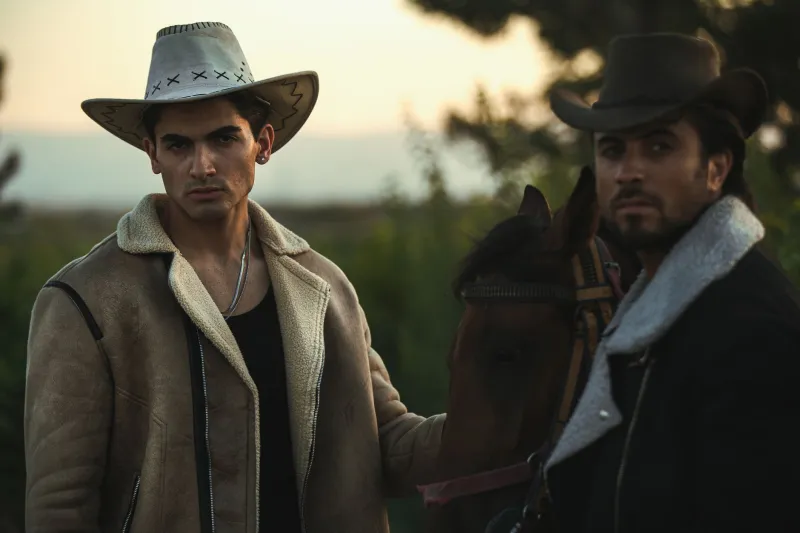
Then came John Dutton's shearling collar coat. Beth's no-nonsense leather jacket. Rip Wheeler's weathered canvas barn coat that somehow looked like it belonged in a high-end editorial spread. Suddenly, people who had never set foot on a ranch were asking the same question: Where can I get that?
Google Trends data tells the story clearly. Searches for terms like "western jacket," "ranch style outfit," and "cowboy boots women" surged dramatically in the years following the show's debut. Retail analysts at major platforms reported double-digit growth in western-adjacent categories — not just in rural markets, but in coastal cities where cowboy culture had historically been more novelty than lifestyle.
The Luxury Ranch Aesthetic: A New American Style Language
Style experts have started using a specific phrase to describe what Yellowstone put into the mainstream: the luxury ranch aesthetic. It's not quite country. It's not quite preppy. It's the sweet spot between rugged utility and understated elegance — workwear that looks like it has a story, but cut and constructed well enough that you could wear it to dinner.
"What the show did brilliantly was make western clothing feel aspirational without making it feel costume-y," says one fashion consultant who works with western heritage brands. "The characters aren't dressed up as cowboys. They're just dressed. And that authenticity is what resonated."
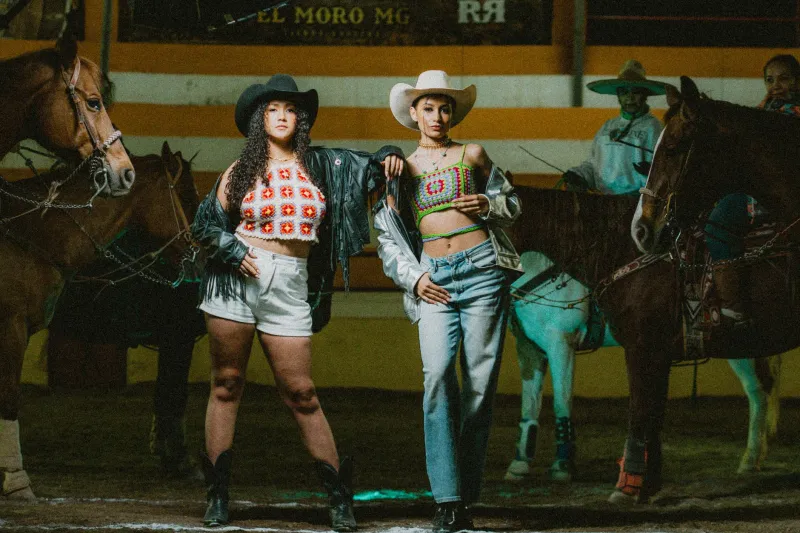
The look leans on a specific set of building blocks: heavyweight canvas or waxed cotton outerwear, chambray and flannel shirts in faded earth tones, straight-cut or slim denim, and leather boots with genuine wear on them. Accessories are minimal and purposeful — a belt buckle that means something, a hat that's actually been rained on. Nothing is shiny. Nothing is trying too hard.
This stands in sharp contrast to the rhinestone-and-fringe aesthetic that dominated western fashion in earlier decades. The Yellowstone look is quieter, more confident, and — importantly — far more wearable across different contexts and geographies.
From Montana to Manhattan: How Real People Are Adopting the Look
Walk through certain neighborhoods in Denver, Nashville, Dallas, or even parts of Los Angeles right now and you'll see it everywhere. Canvas rancher jackets over hoodies. Sherpa-lined barn coats paired with dark jeans and Chelsea boots. Worn-leather belt bags and bolo ties showing up at cocktail parties.
But it's not just happening in cities with existing western DNA. New York stylists report clients specifically requesting "that Yellowstone vibe" when building out their fall wardrobes. Chicago boutiques have expanded their western sections to meet demand from customers who grew up nowhere near a cattle operation.
What's driving adoption in urban markets specifically? A few things. First, the show has a massive, passionate fanbase that skews older and more affluent than typical prestige TV audiences — people with disposable income and a genuine interest in investing in quality clothing. Second, the aesthetic translates surprisingly well to city life. A waxed canvas jacket works just as well navigating a rainy Chicago commute as it does mending a fence line in Wyoming. Utility is universal.
Third — and maybe most importantly — there's a cultural hunger for something that feels real. In an era of fast fashion, algorithm-driven trends, and disposable everything, the idea of owning a jacket that gets better with age has serious appeal.
The Ripple Effect on Western Heritage Brands
Established western wear companies have felt the shift in a tangible way. Brands that spent decades serving a loyal but limited customer base have seen new audiences discover them seemingly overnight. Smaller, American-made outerwear makers report waitlists for products that previously moved at a steady but unremarkable pace.
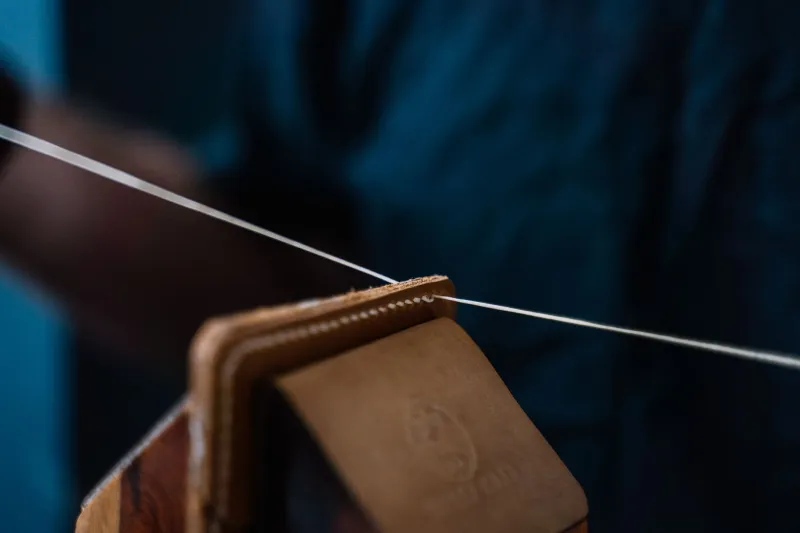
The interesting challenge for these brands is staying true to their roots while welcoming a wave of new customers who may not know the difference between a duster and a barn coat, or why certain stitching patterns matter on a western shirt. The ones doing it well are leaning into education — telling the story of their craft and materials rather than just chasing the trend.
For consumers, that story is part of the appeal. When you buy into the Yellowstone aesthetic, you're not just buying a jacket. You're buying into an idea of America — wide open, self-reliant, and built to last.
What Comes Next
Fashion trends come and go, and anyone who's watched enough cycles knows that what goes mainstream eventually gets oversaturated. But there's a reasonable argument that western wear's current moment is different — more of a cultural recalibration than a passing fad.
The Yellowstone universe continues to expand with spinoffs and prequels keeping the aesthetic in front of millions of viewers. Country music's ongoing crossover into mainstream pop culture adds another layer of reinforcement. And the broader appetite for Americana — for heritage, craft, and clothing that tells a story — isn't showing any signs of fading.
If anything, Yellowstone gave America permission to want something it already quietly loved. The ranch didn't come to the runway. The runway finally came to the ranch. And it looks like it's planning to stay a while.